
MS Dhoni Nears Full Fitness After Calf Strain, Eyes CSK Return
Authored by kingidwin.org, 17/04/2026
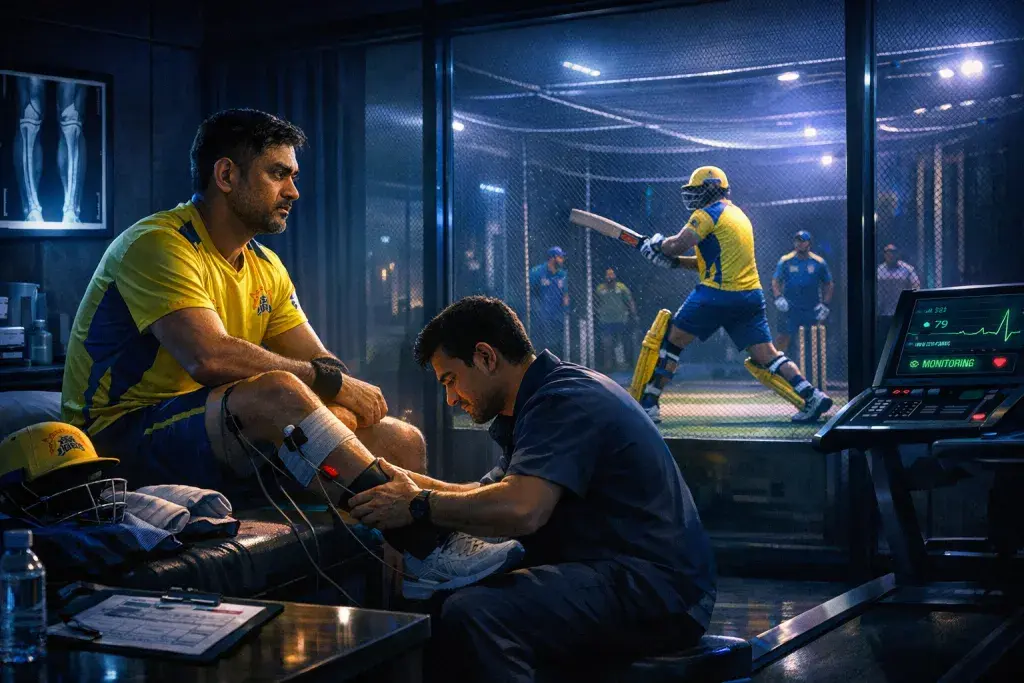
MS Dhoni has missed every Chennai Super Kings outing in the IPL 2026 season so far due to a calf strain sustained before the campaign began. Reports now indicate he has progressed close to full recovery through targeted rehabilitation, potentially paving the way for his participation in the next fixture against Sunrisers Hyderabad. This development offers a significant lift for the franchise, as his experience could bolster their lineup amid early struggles without him.
Understanding the Calf Strain Setback
Calf strains occur when muscle fibers in the gastrocnemius or soleus tear under sudden acceleration or eccentric loading, common in high-intensity activities. Dhoni's injury, striking right before the season, sidelined him from all five initial games, forcing reliance on rehabilitation protocols emphasizing rest, gradual strengthening, and mobility restoration. Over recent days, sightings of him in practice nets alongside teammates signal advancing recovery stages, where controlled movements rebuild confidence and function without reinjury risk.
Rehabilitation Progress and Decision Timeline
Recovery from such strains typically spans weeks, involving progressive loading to restore power and elasticity, with full return hinging on pain-free performance in simulated demands. Dhoni's near-full fitness status reflects successful navigation of this phase, though a final decision on his involvement rests with team assessment tomorrow, determining travel to Hyderabad. This cautious approach underscores the priority of long-term availability over rushed comebacks, especially given his pivotal role built over years.
Broader Implications for Veteran Participation
Seasoned figures like Dhoni often face heightened injury vulnerability from cumulative wear, making fitness management a delicate balance between contribution and preservation. His potential reentry adds seasoned depth to batting options, countering the void felt in prior outings and highlighting how individual recoveries influence collective momentum. Should he feature, it exemplifies adaptive strategies in managing physical demands, with outcomes shaping not just immediate results but sustained involvement through the season.